Classic Greek Salad
Table of Contents
You know that feeling when you take a bite of something so perfectly fresh and vibrant that it somehow tastes like sunshine? That’s the magic trick of a Classic Greek Salad, or Horiatiki. But my first attempt? Oh, friend. It was a soggy, weepy tragedy.
Picture it: me, a decade ago, determined to impress some new friends with a “simple” salad. I chopped everything hours in advance, lovingly arranged it all in a beautiful bowl, and drenched it in dressing. By the time my guests arrived, we were looking at a swimming pool of vegetable juices with lonely islands of feta bobbing around. It was a humbling, albeit delicious, lesson in patience and technique.
This isn’t just a salad. It’s a lesson on a plate. It’s about restraint, about celebrating each ingredient for exactly what it is, and about understanding that sometimes, the simplest things require the most care. It’s the dish I make when my kitchen feels chaotic and I need a reset—a reminder that good food doesn’t need to be complicated. It just needs to be real.
Why You’ll Love This Classic Greek Salad
Let’s be real, this salad is the ultimate crowd-pleaser, and for about a million good reasons. It’s not just a side dish; it’s a mood, a centerpiece, a full-blown experience.
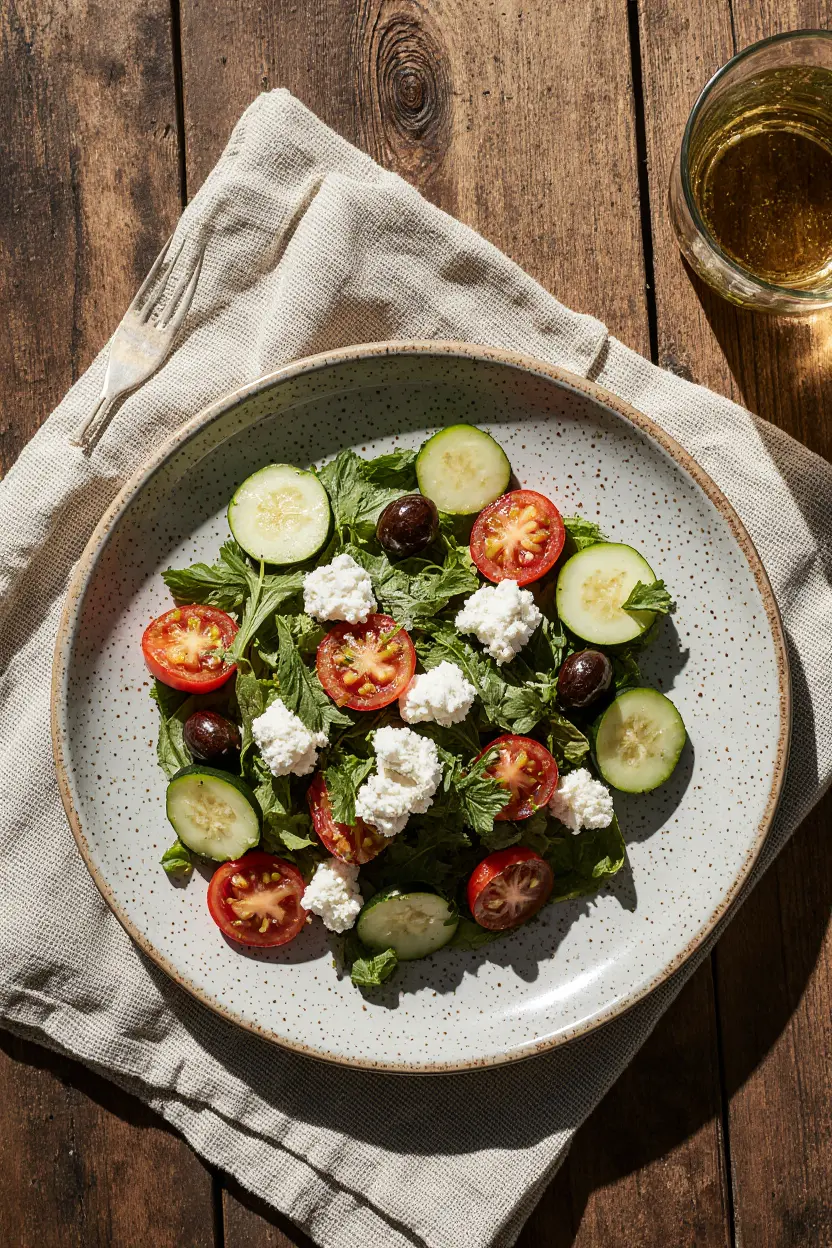
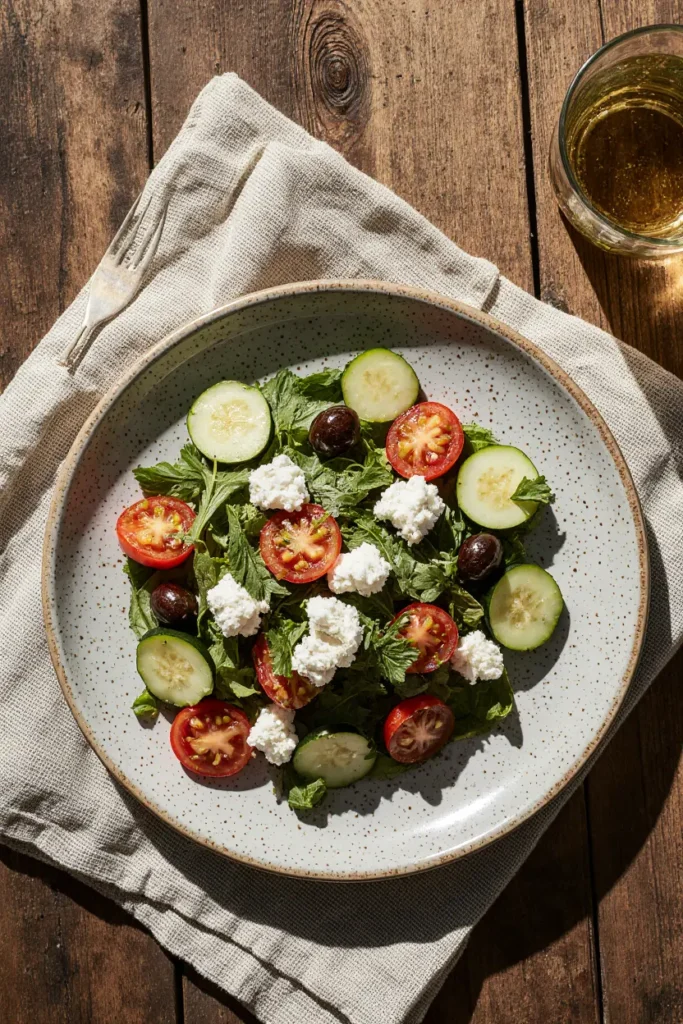
- It’s the Definition of Fresh & Satisfying. We’re talking about crunchy cucumbers, tomatoes that burst in your mouth, and sharp red onion, all brought together with briny olives and creamy feta. Every forkful is a different combination of textures and tastes. It’s light but never leaves you hungry. It’s honestly the most refreshing thing you can eat on a warm day, or when you just need a hit of something that makes you feel good from the inside out.
- Shockingly Affordable to Make at Home. Here’s a little secret: the markup on a Greek salad at a restaurant is kind of wild. For the price of one restaurant portion, you can make a giant, family-style platter at home. A block of good feta, some seasonal veggies, and a bottle of quality olive oil go a long, long way. It’s a total budget-friendly win that feels luxurious.
- It’s All About the Toppings (Or, Actually, The Lack of Them). The magic here is in the simplicity. We’re not hiding anything under a mountain of dressing. The “dressing” is literally just glorious extra virgin olive oil, a splash of red wine vinegar, dried oregano, and a little salt. It’s so bare-bones it’s almost arrogant, and that’s what makes it special. You taste every single component. And that slab of feta on top? It’s not crumbled. It’s a proud, creamy pillar that you break into as you eat, letting it mingle with the tomato juices in the most perfect way.
- It Comes Together in 15 Minutes Flat. No cooking, no fancy equipment. Just a cutting board, a knife, and a big platter. It’s my go-to “I have no time but need something amazing” dish. The hardest part is waiting to eat it (but we’ll get to that crucial tip later).
- It’s a Canvas for Your Mood. Feeling fancy? Add some capers. Have a beautiful pepper? Throw it in. It’s a forgiving, flexible formula that welcomes whatever you have on hand, while still staying true to its iconic roots.
Ingredients for Classic Greek Salad
Here’s where we get building. The key is to source the best ingredients you can find—it makes all the difference because there’s nowhere for them to hide.
The Vegetable Foundation:
- 4-5 ripe, medium vine-ripened tomatoes: About 1 ½ pounds. They should smell like tomatoes at the stem! If they’re pale and scentless, the salad will be too. Off-season? Cherry or grape tomatoes are a brilliant, sweet save.
- 1 large English cucumber (or 2 smaller Mediterranean/Persian cucumbers): About 1 pound. I love the seedless English kind for this—less water, more crunch. No need to peel, just a quick rinse.
- 1 medium red onion: The purple color is gorgeous and the flavor is sharp but sweet. A yellow onion can be too harsh here, honestly.
- 1 large green bell pepper: This is traditional for color and a fresh, grassy bite. I’ve used a yellow or orange pepper before when that’s what I had, and it was still lovely.
The Salty, Savory Bits:
- 8 ounces block feta cheese: Please, I’m begging you, get a block of feta in brine. The pre-crumbled stuff is coated to prevent clumping and it just doesn’t have the same creamy, tangy magic. A Greek or Bulgarian sheep’s milk feta is the dream.
- ¾ cup Kalamata olives: Look for them with pits—they have infinitely better flavor and texture. Pitting them is a therapeutic little kitchen task. Or, you know, let everyone spit them out politely. It adds to the rustic charm, right?
- 2-3 tablespoons of capers, rinsed (optional but excellent): My personal twist. I love their little pops of briny intensity.
The “Dressing”:
- ⅓ cup high-quality extra virgin olive oil: This is the star. Use the good stuff you love the taste of.
- 1-2 tablespoons red wine vinegar: Start with one, you can always add more. It should be a background note, not a punch in the face.
- 1 ½ teaspoons dried oregano: Greek oregano if you can find it! It’s more fragrant. Crush it between your palms as you sprinkle it to wake up the oils.
- Sea salt and freshly cracked black pepper: To taste. Go easy on the salt initially—the feta and olives are plenty salty.
Step-by-Step Instructions
This is less of a recipe and more of an assembly philosophy. The order of operations matters more than you’d think!
1. Prep Your Veggies (The Dry Way).
Wash your tomatoes and cucumber. Core the tomatoes and cut them into rough, uneven chunks—about 1-inch pieces. You want wedges and pieces, not perfect cubes. This creates more surface area for those delicious juices to escape later. Place them right onto your serving platter or a very wide, shallow bowl. Not a deep bowl! We’re building a landscape here, not layering a lasagna.
Slice the cucumber into thick half-moons, about ½-inch thick. Add them to the platter. Slice the pepper into rings or thick strips, and scatter them over the tomatoes and cukes. Now, take your red onion, slice it thinly, and for a milder bite, you can soak the slices in a small bowl of ice water for 10 minutes while you do everything else. This tames the sharpness beautifully. Drain and add to the platter.
2. The Art of Undressing.
Drizzle about two-thirds of the olive oil all over the vegetables. Then, add the red wine vinegar. Toss this very, very gently with your hands. You’re just coaxing everyone to get acquainted, not bruising them into submission. Season with a small pinch of salt and a few grinds of pepper. Remember, we’re going light!
3. The Strategic Placement.
Now, nestle the Kalamata olives and capers (if using) into the vegetable kingdom. Take your block of feta and place it proudly right in the center. Do not crumble it! Drizzle the remaining olive oil over the feta block. This is crucial.
4. The Final Flourish.
Sprinkle the crushed dried oregano generously over everything, letting a good amount land on that glistening feta. Do not toss the salad again. I repeat, do not toss! This is where my first salad went wrong. You want each person to get a bit of everything when they serve themselves, and you want the feta to stay firm until the last second.
5. The Wait. (The Hardest Step).
Let the salad sit at room temperature for 10-15 minutes before serving. This isn’t optional. This is when the magic happens. The salt draws out the tomato juices, they mingle with the oil and vinegar at the bottom of the platter, and everything becomes friends. The flavors marry and intensify. It’s the difference between a bunch of chopped veggies and a salad.
What to Serve Classic Greek Salad With
This salad is the ultimate team player. It’s brilliant all on its own for a light lunch, but it also shines as part of a bigger spread.
For a truly epic Mediterranean feast, I love pairing it with something from the grill. A simple lemon-herb grilled chicken or some juicy lamb chops are a match made in heaven. To round out the meal, you’ve gotta have something to soak up all those incredible juices on the plate. A pile of warm, pillowy pita bread is non-negotiable in my house. For a fuller spread, a creamy, garlicky tzatziki or a warm bowl of lemony roasted potatoes from our side dishes category would be perfection.
And to drink? A glass of chilled Assyrtiko wine if that’s your thing, or a sparkling water with a big squeeze of lemon. It’s all about keeping things bright and fresh.
Top Tips for Perfecting Your Greek Salad
- Tomato Truth: The salad will only ever be as good as your tomatoes. Taste a piece before you add it. If it’s bland, the salad will be too.
- Feta Fidelity: Block feta in brine is the hill I will die on. The texture and flavor are incomparable. Save the crumbles for your omelets.
- Timing is Everything: Don’t dress and assemble the salad hours ahead. Those 10-15 minutes of resting at room temp is the sweet spot. Any longer and the vegetables start to lose their vital crunch.
- Oil Up the Feta: Drizzling oil directly on the feta cheese helps the oregano stick and gives it a gorgeous, flavorful sheen.
- Hands Off: Gentle tossing at the beginning, then no tossing after the feta and final oregano go on. Trust the process.
Storing and Reheating Tips
Okay, full transparency: this is a salad best eaten fresh. But! Life happens, and you might have leftovers.
To store, carefully pick out the feta block and set it aside. Transfer the remaining vegetable mixture (now probably sitting in a delicious pool of juices) into an airtight container. Store the feta separately in its own container, covered with a bit of olive oil or water. It’ll keep in the fridge for up to 2 days.
There’s no reheating, obviously. Enjoy the leftover veggies cold, straight from the fridge (they’re amazing the next day), and add pieces of the feta back in as you eat. The veggies will be more marinated and soft, which is a different but totally delicious experience.
Frequently Asked Questions
Can I make this ahead for a party?
You can do all the chopping ahead of time! Keep the chopped tomatoes, cucumber, and pepper in one container (lined with a paper towel to absorb moisture), the sliced onions in water in the fridge, and the olives and feta separate. Assemble on the platter and dress no more than 20 minutes before serving.
What’s the best substitute for feta?
If you need a different cheese, a firm ricotta salata or a milky Mizithra can work, but the tangy, salty punch of feta is really central to the identity of the salad.
My salad got watery. What did I do wrong?
You probably over-salted it too early, or let it sit for too long before serving. The salt pulls moisture out of the veggies. That’s why that 10-15 minute window is perfect—you get the flavor without the swamp.
Is traditional Greek salad made with lettuce?
Nope! Not at all. The classic Horiatiki you’d get in Greece is just tomatoes, cucumber, onion, peppers, olives, and feta. No leafy greens in sight.
Customizations for Special Diets
This salad is naturally vegetarian and gluten-free. To make it vegan, you could omit the feta or use a reputable brand of vegan “feta” style cheese—though the flavor profile will change. For a lower-fat version, you can slightly reduce the olive oil, but be aware that a good fat is part of what makes the vegetables satisfying and helps your body absorb their nutrients; you can read more about balancing those choices on this Wikipedia page about low-fat diets. If you need to avoid certain animal-derived enzymes in cheese, always check your feta label carefully, as some production methods use them.
Common Mistakes to Avoid
- Using tasteless, out-of-season tomatoes. This is the #1 dealbreaker.
- Drowning it in vinegar. The vinegar should be a whisper, not a shout.
- Crumbling the feta into the salad before serving. You lose that wonderful contrast of creamy block versus fresh veg.
- Adding the salt too early or too generously. Let the natural saltiness of the feta and olives do their job first.
- Serving it ice-cold from the fridge. Room temperature allows the flavors to sing.
Troubleshooting Your Greek Salad
| Issue | Probable Cause | How to Fix It Next Time |
|---|---|---|
| Watery, soggy vegetables | Over-salted or assembled too far in advance. | Salt minimally just before serving and only let rest 10-15 mins. |
| Salad tastes bland | Under-seasoned or poor quality tomatoes/oil. | Taste your ingredients first! Use ripe tomatoes, good oil, and don’t skip the rest time. |
| Onion flavor is too sharp and overpowering | Onion wasn’t tempered. | Soak sliced red onion in ice water for 10 minutes before adding. |
| Feta is dry and crumbly | Used pre-crumbled feta or didn’t store it properly. | Always use a block of feta stored in brine and drizzle it with oil. |
| Dressing tastes harsh | Too much vinegar or low-quality olive oil. | Start with a 1:4 ratio of vinegar to oil and adjust to taste. |
Final Thoughts
At its heart, this Classic Greek Salad is more than a recipe. It’s a reminder to slow down, to taste, to appreciate the raw ingredients right in front of us. It’s about the joy of sharing a platter where everyone digs in, breaking off pieces of feta and sopping up juices with bread. It’s the meal I make when I want to feel connected—to good food, to the people around my table, and to that simple, sunny idea of a Mediterranean afternoon, even if I’m just at my kitchen counter on a Tuesday.
It’s perfectly imperfect, just like my first soggy attempt. Because now I know, the mistakes are part of the story. So tell me, when you make yours, what little twist will you add? A handful of fresh mint? A sprinkle of peppercorns? However it turns out, I wanna hear about it.
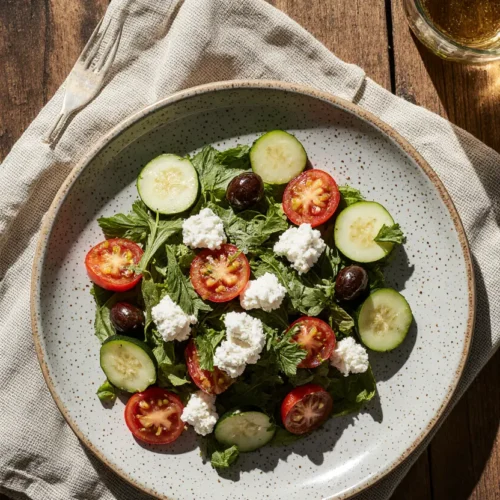
Classic Greek Salad (Horiatiki)
Ingredients
The Vegetable Foundation:
- 4-5 medium vine-ripened tomatoes about 1 ½ pounds / {680 grams}, cut into chunks
- 1 large English cucumber about 1 pound / {450 grams}, sliced into thick half-moons
- 1 medium red onion thinly sliced
- 1 large green bell pepper sliced into rings or strips
The Salty, Savory Bits:
- 8 ounces / {225 grams} block feta cheese
- ¾ cup / {110 grams} Kalamata olives
- 2-3 tablespoons capers rinsed (optional)
The Dressing:
- ⅓ cup / {80 ml} extra virgin olive oil
- 1-2 tablespoons red wine vinegar
- 1 ½ teaspoons dried oregano
- Sea salt and freshly cracked black pepper to taste
Instructions
- Prep the Vegetables: Core and chop the tomatoes into rough 1-inch chunks. Slice the cucumber into ½-inch thick half-moons. Thinly slice the red onion (for a milder bite, soak slices in ice water for 10 minutes, then drain). Slice the bell pepper. Place all prepared vegetables on a large, shallow serving platter.
- Initial Dressing: Drizzle about two-thirds of the olive oil and 1 tablespoon of the red wine vinegar over the vegetables on the platter. Add a small pinch of salt and a few grinds of black pepper. Toss very gently to combine.
- Assemble: Nestle the Kalamata olives and capers (if using) among the vegetables. Place the whole block of feta cheese prominently in the center of the platter. Drizzle the remaining olive oil over the feta block.
- Season & Rest: Sprinkle the crushed dried oregano generously over the entire salad, focusing on the feta. Do not toss the salad again. Let it rest at room temperature for 10-15 minutes before serving to allow the flavors to meld and the tomato juices to release.