Better-Than-Takeout Kung Pao Chicken
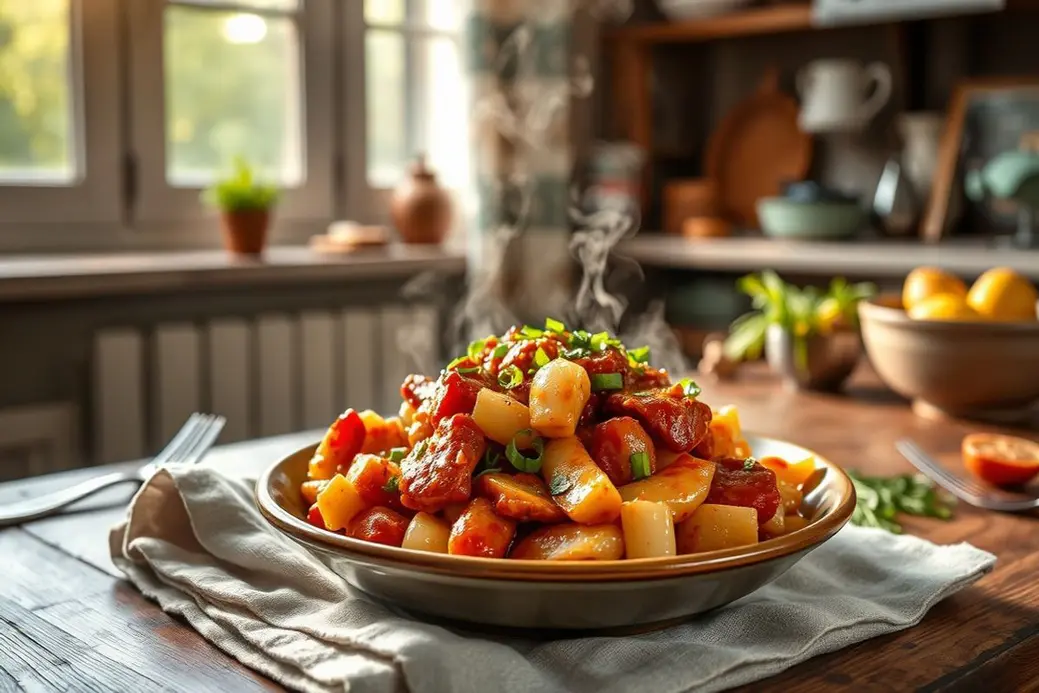
I remember the first time I made Kung Pao Chicken — it was one of those chaotic weeknights where the fridge was half-empty, the kids were hangry, and I had zero patience. I was flipping through an old Chinese cookbook I’d picked up at a yard sale, and this recipe for Kung Pao Chicken practically jumped off the page at me. The photo showed glossy chicken pieces tangled with bright red chilies and crunchy peanuts, and I thought, “That looks like comfort in a bowl.” I didn’t have Sichuan peppercorns, but I had dried red pepper flakes, so I improvised. The kitchen filled with the smell of garlic and ginger sizzling in hot oil, and when I finally took that first bite — sweet, salty, a little spicy, with that perfect crunch from the peanuts — I was hooked. Honestly, it felt like I’d unlocked some secret flavor code. If you’re looking for more ideas like this, check out my Main Dishes section for other weeknight lifesavers.
Why You’ll Love This Recipe
This Kung Pao Chicken is like a warm hug from your most adventurous friend. It’s bold, a little unpredictable, and always leaves you smiling. The combination of tender chicken, crunchy peanuts, and that sticky, savory sauce is pure comfort food with a kick.
Let’s talk money — making this at home costs a fraction of what you’d pay for delivery, and you get leftovers. Like, actual leftovers. No tipping required, and you don’t have to wait 45 minutes for lukewarm chicken that’s lost its crunch.
If you’ve got picky eaters, this is surprisingly adaptable. You can dial the heat way down for the spice-averse, or load it up if you’re cooking for heat-seekers. The sweet-salty balance wins over even the most suspicious palates.
This recipe is a meal-prep dream. The flavors actually deepen overnight, so lunch the next day tastes even better. Just keep the peanuts separate until serving if you want to maintain that crunch.
Hosting friends? This dish looks impressive but comes together fast, so you can actually enjoy the party instead of sweating over the stove. Serve it family-style with extra chili flakes on the side for drama.
And that sauce — oh man. It’s the kind of sauce you’ll want to lick off the spoon. Sticky, savory, with just enough sweetness to keep you going back for more. It clings to every piece of chicken like it was made for it (because it was).
Ingredient Breakdown
Here’s what you’ll need for this Kung Pao Chicken:
– 1 lb boneless, skinless chicken thighs (or breasts if you prefer), cut into bite-sized pieces – 2 tablespoons soy sauce (I use low-sodium because I’m a control freak about salt) – 1 tablespoon Shaoxing wine (or dry sherry, or even apple juice in a pinch — don’t tell anyone I said that) – 1 tablespoon cornstarch – 2 tablespoons vegetable oil (something neutral, like canola or peanut oil) – 8-10 dried red chilies, cut in half and seeds removed (unless you’re a heat hero) – 4 cloves garlic, minced (more if you’re me) – 1 tablespoon fresh ginger, minced – 1/2 cup roasted peanuts (salted or unsalted, your call) – 4 green onions, sliced (keep the white and green parts separate) – 1 teaspoon Sichuan peppercorns (optional but transformative) – For the sauce: 2 tablespoons soy sauce, 1 tablespoon rice vinegar, 1 tablespoon hoisin sauce, 1 tablespoon sugar, 1/4 cup chicken broth, 1 teaspoon cornstarch
Now, about these ingredients — I learned the hard way that cheap soy sauce can ruin everything. Once I grabbed the store brand to save 50 cents, and the whole dish tasted like sadness. Stick with a decent soy sauce; your taste buds will thank you.
The dried chilies are non-negotiable for that authentic Kung Pao vibe. But fair warning: if you accidentally leave the seeds in, you might need to call the fire department. I once made that mistake while cooking for my spice-averse sister, and she drank an entire carton of milk in silence. Oops.
Sichuan peppercorns are magical if you can find them. They don’t just add heat — they add that weird, tingly, numbing sensation that makes your mouth buzz. I bought mine from an Asian market after asking three different people where they kept the “weird peppercorns.” Worth it.
And please, for the love of crunch, use roasted peanuts. Raw peanuts will just get soggy and sad. I tried raw once because that’s all I had, and it was like eating chicken with chewy disappointment bits. Never again.
Step-by-Step Instructions
First, let’s get that chicken ready. In a bowl, mix the chicken pieces with 2 tablespoons soy sauce, Shaoxing wine (or your substitute), and 1 tablespoon cornstarch. This marinade does double duty — it flavors the chicken and helps create that lovely coating when you cook it. Let it sit for at least 15 minutes while you prep everything else. I usually use this time to pretend I’m organized and mise en place all my ingredients. Spoiler: I’m not organized, and I always forget something.
While the chicken marinates, mix up your sauce. In a small bowl, whisk together 2 tablespoons soy sauce, rice vinegar, hoisin sauce, sugar, chicken broth, and 1 teaspoon cornstarch until smooth. Set this aside. This is also when I realize I forgot to mince the garlic or ginger. Again. So I scramble to do that while muttering about how I should’ve done it earlier.
Now, heat 1 tablespoon of oil in a large skillet or wok over medium-high heat until it’s shimmering and almost smoking. Add the chicken in a single layer — don’t crowd the pan! If you do, the chicken will steam instead of sear, and you’ll end up with pale, sad chicken. I learned this the hard way when I was rushing and just dumped everything in. The result was more like chicken soup than Kung Pao. Not what we’re going for.
Cook the chicken until it’s golden brown on one side, about 2-3 minutes. Flip and cook the other side until it’s cooked through, another 2-3 minutes. Remove the chicken to a plate. Here’s where I usually sneak a piece to “check if it’s done.” It’s always delicious.
In the same pan, add the remaining tablespoon of oil. Toss in the dried chilies and Sichuan peppercorns (if using). Stir-fry for about 30 seconds until fragrant — your kitchen should smell amazing right about now. But watch those chilies! They can go from fragrant to burnt in seconds. I once stepped away to answer the door and came back to chili smoke that made everyone cough. Whoops.
Add the garlic, ginger, and white parts of the green onions. Stir-fry for another 30 seconds until everything is aromatic and the garlic is golden but not burnt. Burnt garlic is the kitchen equivalent of a bad haircut — it can’t be fixed, and it makes everything taste off.
Now, give your sauce a quick stir (the cornstarch settles), then pour it into the pan. Let it bubble and thicken for about 30 seconds. It should look glossy and coat the back of a spoon. If it’s too thick, add a splash more broth. If it’s too thin, let it bubble a bit longer. This is where I sometimes panic and add too much broth, then have to wait forever for it to reduce. Patience is not my strong suit.
Toss the chicken back into the pan along with any juices that collected on the plate. Add the peanuts and toss everything together until the chicken is coated in that glorious sauce and everything is heated through. This should take about a minute. Your kitchen should now smell like a Chinese restaurant, but better, because it’s your kitchen.
Finally, toss in the green parts of the green onions and give everything one last stir. Serve immediately over rice, and try not to eat it all straight from the pan. I never succeed at that last part.
What to Serve With
This Kung Pao Chicken is a star, but it plays well with others. Here are four perfect pairings:
Steamed jasmine rice is the classic choice — its subtle fragrance and slightly sticky texture are the perfect canvas for that bold sauce. Plus, it soaks up every last drop of goodness. I always make extra because I’m convinced the rice is almost as important as the chicken.
A simple cucumber salad cuts through the richness beautifully. Just slice cucumbers thin, toss with a little rice vinegar, sugar, and salt, and let it sit for 10 minutes. The cool, crisp contrast is exactly what you need between spicy, savory bites.
Stir-fried greens like bok choy or gai lan add color, nutrition, and that “I’m eating something green” satisfaction. A quick toss in hot oil with garlic and a splash of soy sauce is all they need. I feel very virtuous adding these to the table.
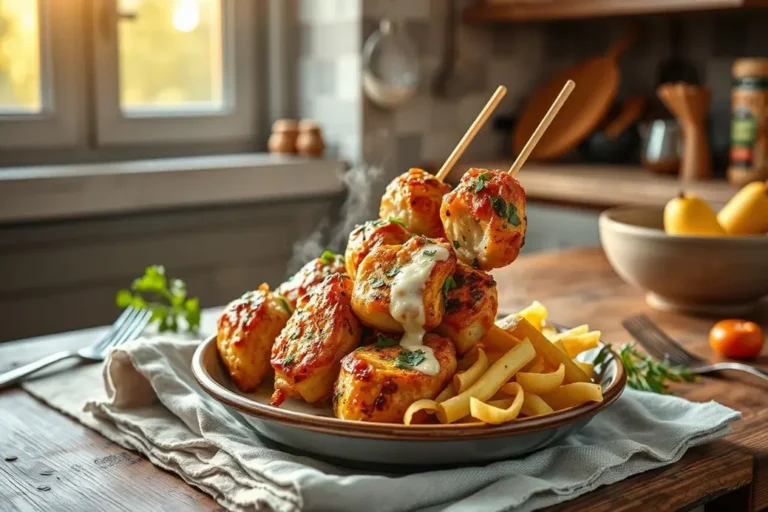
For something a little different, try serving it with noodles instead of rice. Lo mein or even spaghetti (yes, really) works great. The noodles tangle with the chicken and sauce in a way that feels indulgent and fun. My kids go nuts for this version.
Pro Tips and Variations
Want to turn up the heat? Add a spoonful of chili crisp or a dash of your favorite hot sauce to the finished dish. I keep a jar of Lao Gan Ma in my fridge specifically for this. It’s like a secret weapon for flavor.
If you’re vegetarian or cooking for someone who is, swap the chicken for firm tofu or cauliflower florets. Press the tofu well, or roast the cauliflower until golden before adding it to the pan. The sauce loves these just as much as it loves chicken.
For a gluten-free version, use tamari instead of soy sauce and make sure your hoisin sauce is gluten-free (some brands are, some aren’t). This is also where that Gluten-free diet link comes in handy if you’re new to this.
Hosting a dinner party? Double the recipe and serve it family-style with multiple toppings: extra peanuts, sliced fresh chilies, cilantro leaves, even a drizzle of sesame oil at the table. It looks impressive and lets everyone customize their heat level.
In summer, add some fresh vegetables like bell peppers or zucchini. They bring color and freshness that feels right for the season. Just don’t overcook them — they should still have a bit of crunch.
Leftover reinvention: chop up any remaining chicken and toss it with cold noodles, cucumber, and a little extra soy-lime dressing for a killer lunch salad. I’ve been known to make extra Kung Pao Chicken just for this purpose.
Storing and Reheating
Kung Pao Chicken keeps well in the fridge for up to 3 days in an airtight container. The flavors actually meld and deepen, which is a bonus. But here’s the thing about the peanuts — they will lose their crunch no matter what you do. I’ve tried storing them separately, adding them later, even keeping them in a little baggie on top of the container. They always soften. It’s the price we pay for delicious leftovers.
To reheat, use a skillet over medium heat with a splash of water or broth to loosen the sauce. Stir occasionally until it’s heated through. The microwave works in a pinch, but the chicken can get a bit rubbery, and the sauce might separate. I once microwaved it on high for 3 minutes straight and ended up with chicken jerky in a puddle of oil. Lesson learned: gentle heat is your friend.
Freezing is possible but not ideal. The chicken holds up okay, but the vegetables (if you added any) and the sauce texture change. If you must freeze it, do so without the peanuts, and plan to refresh the dish with fresh ones when you reheat. Honestly, I’d rather make a fresh batch than deal with defrosted Kung Pao.
Customizations for Special Diets
For a gluten-free version, as mentioned, swap soy sauce for tamari and check your hoisin. Most hoisin is gluten-free, but labels lie sometimes, so double-check.
If you’re avoiding soy, try coconut aminos instead of soy sauce. The flavor is a bit different — sweeter, less salty — so you might want to adjust the vinegar or add a pinch more salt.
For a low-fat option, use chicken breast instead of thighs and reduce the oil by half. You can also skip the peanuts if you’re watching calories, though you’ll lose that signature crunch. In that case, try topping with toasted sesame seeds for texture.
High-protein folks can add an extra chicken breast to the recipe or toss in some edamame at the end. The sauce is protein-friendly and will coat whatever you throw at it.
If you’re doing a low-carb or keto version, serve it over cauliflower rice or just eat it straight. The sauce has a little sugar, but it’s spread across several servings, so it’s not a deal-breaker unless you’re being very strict.
Common Mistakes to Avoid
One of the biggest mistakes is overcrowding the pan when cooking the chicken. I’ve done this in a rush, thinking I could save time, and ended up with chicken that steamed instead of seared. The result was pale, sad, and missing that delicious golden crust. Use a big enough pan, or cook in batches if needed.
Another common error is burning the garlic and ginger. They go from fragrant to bitter in seconds, especially in a hot wok. I once got distracted by a phone call and came back to a pan of blackened, acrid garlic. The whole dish tasted off. Keep your attention on the pan, or lower the heat if you’re nervous.
Using raw peanuts instead of roasted is a rookie mistake that affects texture more than you’d think. Raw peanuts stay chewy and don’t provide that satisfying crunch. I made this error early on and couldn’t figure out why my Kung Pao didn’t taste like the restaurant version. Now I always buy roasted, even if I have to roast them myself.
Skipping the cornstarch in the marinade or sauce is another pitfall. It’s what gives the chicken that velvety coating and helps the sauce cling. Without it, you get a watery, separated mess. I learned this when I was out of cornstarch one night and thought I could skip it. Nope. The sauce slid right off the chicken like it was wearing a raincoat.
Finally, don’t be afraid of the heat, but don’t go overboard either. The dried chilies add flavor and aroma, not just spice. Removing all the seeds and using too few chilies results in a dish that’s sweet and salty but missing that signature Kung Pao punch. Find your balance, but don’t be a total wimp about it.
Frequently Asked Questions
Can I make this less spicy?
Absolutely. Use fewer dried chilies, remove all the seeds, and skip the Sichuan peppercorns. You can also add a bit more sugar to balance the heat. The dish will still be delicious, just milder.
What if I can’t find Sichuan peppercorns?
No problem. The dish will still be great without them. You could add a pinch of black pepper or even a dash of five-spice powder for complexity, but it’s not essential.
Can I use chicken breast instead of thighs?
Yes, though thighs are juicier and more forgiving. If you use breast, be careful not to overcook it — it dries out quickly. Maybe marinate it a bit longer to help with moisture.
How do I make this ahead for a party?
You can cook everything except the peanuts and green onions ahead of time. Refrigerate, then reheat gently on the stove. Add fresh peanuts and green onions just before serving for best texture.
Is this very unhealthy?
It’s not a health food, but it’s also not terrible. You can lighten it up by reducing oil, using lean chicken, and serving with extra vegetables. Everything in moderation, right?
Troubleshooting
| Problem | Cause | Solution | | :— | :— | :— | | Sauce is too thin | Not enough cornstarch or too much liquid | Mix 1 tsp cornstarch with 1 tbsp water, add to pan, cook until thickened | | Chicken is tough | Overcooked or cooked too long | Cut chicken smaller, cook just until no longer pink, remove from heat immediately | | Dish is too salty | Too much soy sauce or using regular instead of low-sodium | Add a splash of water or unsalted chicken broth to dilute, balance with a pinch of sugar | | Not enough heat | Too few chilies or all seeds removed | Add more chilies next time, or stir in chili oil at the end | | Peanuts are soggy | Added too early or stored with leftovers | Add peanuts at the very end, store separately if saving leftovers |
Final Thoughts
This Kung Pao Chicken has become one of those recipes I turn to when I want something that feels special but doesn’t require a culinary degree. It’s the kind of dish that makes your kitchen smell amazing, brings people to the table fast, and always gets compliments. I’ve made it for weeknight dinners, for friends who “don’t like Chinese food” (they always change their minds), and even for my picky kids when I’m feeling brave.
The best part is how it invites improvisation. Don’t have chicken? Use shrimp. Out of peanuts? Cashews work great. Want it sweeter? Add more hoisin. Once you get the hang of the technique, you can make it your own.
I’d love to hear how your version turns out. Did you stick to the recipe, or did you make it weirder? (My weirdest addition was pineapple once, and honestly, it wasn’t terrible.) Drop a comment and let me know — or better yet, tell me what you served it with. I’m always looking for new pairing ideas.
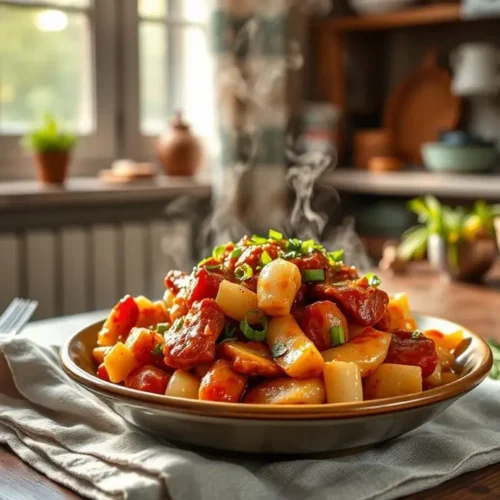
Carolina’s Chaotic Kung Pao Chicken
Ingredients
- 500g chicken thighs, boneless and cut into bite-sized pieces — juicier than breast, trust me
- 2 tbsp soy sauce — the good stuff, not that watery nonsense
- 1 tbsp rice vinegar — for that tangy kick
- 1 tbsp honey or sugar — to balance the heat, don’t skip it
- 2 tbsp vegetable oil — for frying, something neutral
- 8-10 dried red chillies, broken in half — the more, the merrier (and spicier)
- 1 tbsp Sichuan peppercorns — or black pepper if you’re desperate
- 4 cloves garlic, minced — because garlic makes everything better
- 1 tbsp fresh ginger, minced — for that zingy warmth
- 1 red bell pepper, chopped — for colour and crunch
- 4 spring onions, chopped — whites for cooking, greens for garnish
- Handful of roasted peanuts — the crunch factor, don’t you dare use salted ones
- Cornstarch slurry (1 tbsp cornstarch + 2 tbsp water) — to thicken the sauce
Instructions
- Mix the chicken with soy sauce, rice vinegar, and honey. Let it sit while you prep everything else — this is your marinade moment.
- Heat the oil in a wok or big frying pan until it’s shimmering. Toss in the dried chillies and Sichuan peppercorns. Stir quickly — they’ll release their fragrance in seconds, and if you linger, you’ll choke on the smoke.
- Add the chicken to the pan. Spread it out so it browns nicely, then stir-fry until it’s golden and nearly cooked through.
- Toss in the garlic, ginger, bell pepper, and spring onion whites. Stir like mad — this is where the kitchen starts smelling like a dream.
- Pour in the cornstarch slurry and stir until the sauce thickens and coats everything like a glossy blanket.
- Throw in the peanuts and most of the spring onion greens. Give it one last toss, then serve immediately over steamed rice.
- Garnish with the remaining spring onions and maybe a few extra peanuts if you’re feeling fancy. Dig in while it’s hot — and maybe open a window if you went heavy on the chillies.