Vanilla French Beignets
Table of Contents
You know that feeling when you bite into something so perfectly soft, sweet, and warm that the entire world just… pauses? For me, that’s a Vanilla French Beignet. It’s not just a doughnut. It’s a memory. It’s the taste of a misty morning in a dreamy café that I’ve only ever visited in my imagination, recreated right there on my flour-dusted kitchen counter.
My first attempt was, to be real, a disaster. I was chasing that café dream, but what I pulled out of the oil looked more like sad, deflated hockey pucks. I’d forgotten the vanilla—the star of the show!—and rushed the dough. My partner, bless him, tried one and said, with a painfully straight face, “It’s very… bready.” Oops.
But that failure is exactly why I love this recipe. It’s forgiving. It’s magical. With a few tweaks and a lot of patience, I cracked the code to these ethereal, puffy squares of fried dough, perfumed with real vanilla and just begging to be buried under a mountain of powdered sugar. They’re simpler than you think, wildly impressive, and the ultimate family-friendly project. There’s something about watching dough puff up into golden pillows that makes everyone, from toddlers to grandparents, gather around the stove with wide, hopeful eyes. Let’s make some magic, and maybe a beautiful mess, together.
Why You’ll Love This Recipe
Let’s cut right to the chase. This isn’t just another recipe to pin and forget. This is the one you’ll actually make, and here’s why.
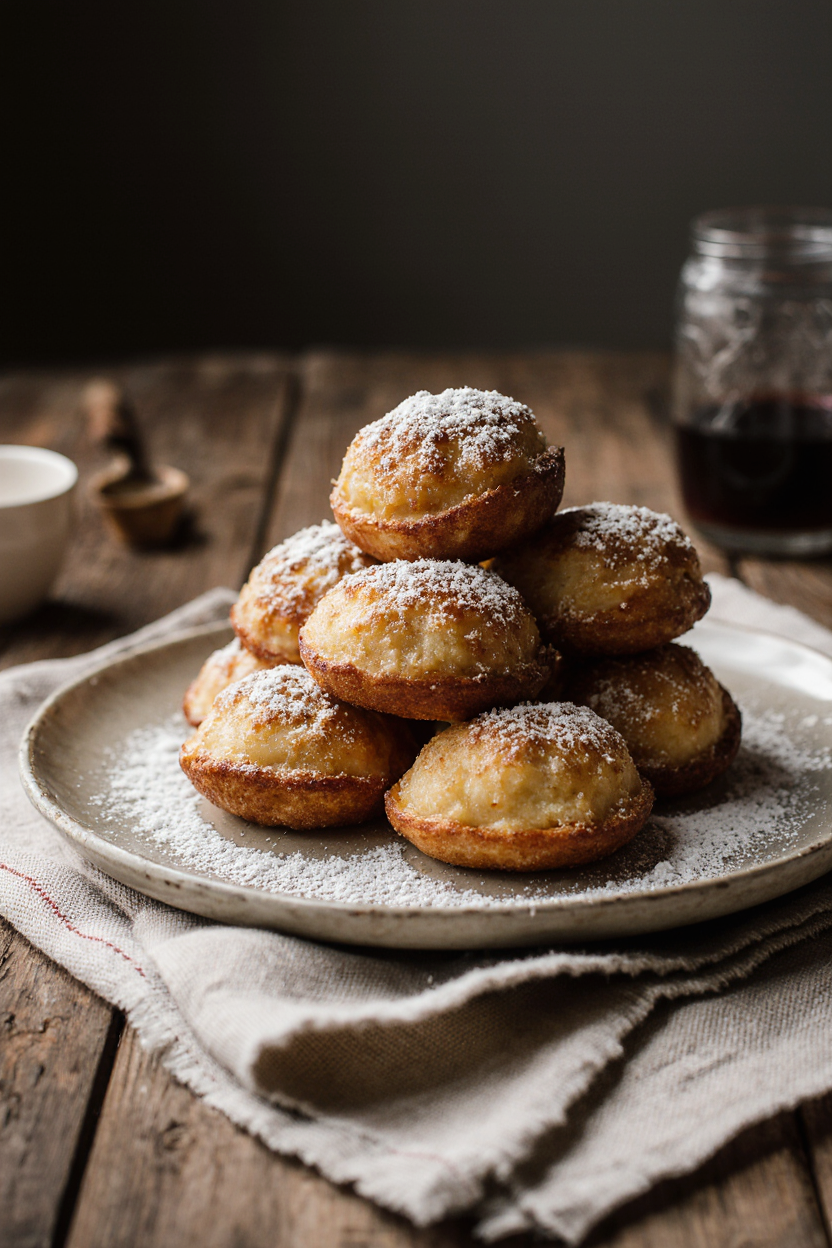
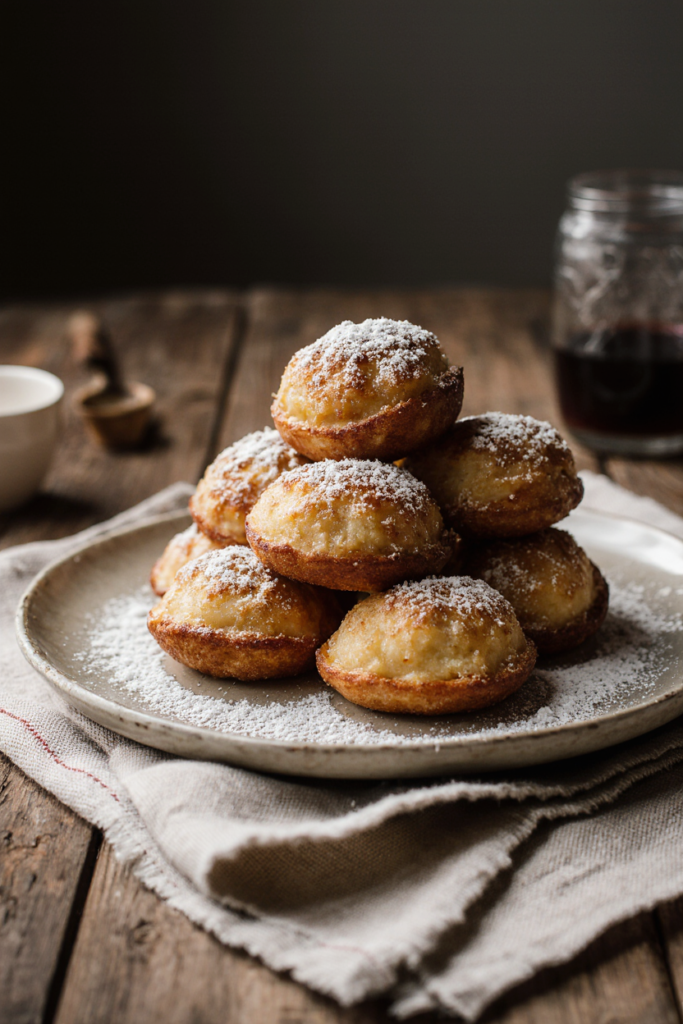
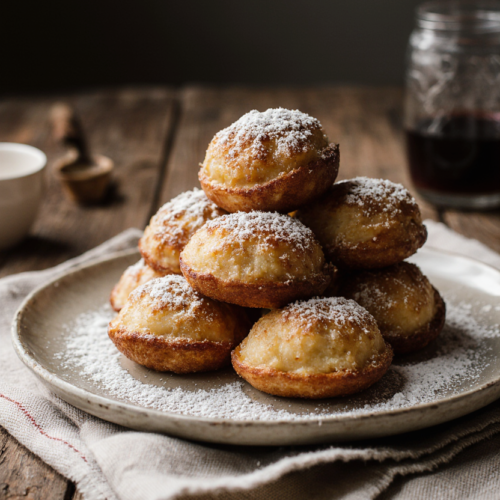
- The Main Event: Pure, Uncomplicated Joy. The highlight isn’t a laundry list of exotic ingredients. It’s the texture. A crisp, delicate shell that gives way to an airy, tender, and almost hollow interior that’s steaming hot and soft as a cloud. The vanilla bean paste (trust me on this) weaves its aromatic flavor through every single bite, making it feel special, not just sweet.
- Your Wallet Will Thank You. A single beignet at a fancy bakery or café can cost as much as a whole latte. This recipe uses pantry staples—flour, milk, sugar, yeast, eggs. For the price of two coffee shop beignets, you can make a mountain of them at home. It feels indulgent, but it’s honestly a pretty humble dough. That’s a win in my book.
- The Topping Transformation. This is where the fun really begins. The classic snowy blanket of powdered sugar is non-negotiable. But then? A drizzle of warm chocolate sauce, a dip in homemade raspberry jam, a dusting of cinnamon sugar for a churro vibe… the canvas is yours to paint. I love setting up a little “beignet bar” with toppings when friends come over. It turns eating into an event.
Ingredients for Vanilla French Beignets
Gathering your mise en place (see, fancy!) makes this process so much smoother. Here’s what you’ll need, broken down into the dough and the fry.
For the Beignet Dough:
- 1 cup (240ml) whole milk, warmed to about 110°F (43°C) – This wakes up the yeast. Don’t use skim, just don’t. The fat matters for tenderness. Think of it as a cozy bath for the yeast.
- 1 packet (2 ¼ teaspoons) active dry yeast – The tiny powerhouse that makes our dough puff up. Check the date on the packet! Old yeast is the number one reason for sad, flat dough.
- ⅓ cup (67g) granulated sugar – Feeds the yeast and adds sweetness. I sometimes use a lighter, unrefined cane sugar for a hint of molasses flavor.
- 1 large egg + 1 large egg yolk, at room temperature – The yolk adds incredible richness and color. Room temp eggs incorporate way more smoothly. I just pop them in a bowl of warm water for 5 minutes if I forgot to take them out.
- 3 tablespoons (42g) unsalted butter, melted and slightly cooled – For flavor and that melt-in-your-mouth crumb. If you only have salted butter, just reduce the added salt in the recipe by a pinch.
- 1 tablespoon vanilla bean paste – This is my secret weapon. It has the gorgeous speckled seeds of a vanilla bean and a more concentrated flavor than extract. It makes all the difference. You can use an equal amount of high-quality pure vanilla extract in a pinch, but the paste is magic.
- ½ teaspoon fine sea salt – Balances all the sweetness and enhances the vanilla flavor. Seriously.
- 3 ½ to 4 cups (438-500g) all-purpose flour, plus more for dusting – Start with 3 ½ cups. The dough should be soft and slightly sticky, but manageable. Different brands and humidity levels affect flour, so you may need that extra half cup. We’re going for pillowy, not tough.
For Frying & Serving:
- 1-2 quarts neutral oil for frying – Like vegetable, canola, or peanut oil. You need enough to be about 3 inches deep in your pot. A heavy-bottomed Dutch oven is my go-to for steady heat.
- 1 ½ to 2 cups (180-240g) powdered sugar, for dusting – Put it in a fine-mesh sieve for a beautiful, even snowstorm effect. There’s no such thing as too much here.
Step-by-Step Instructions
Okay, friends. Aprons on. Let’s do this. It’s a process, but a deeply satisfying one. Put on some music.
1. Wake Up the Yeast. In the bowl of a stand mixer fitted with the dough hook (you can do this by hand, it’ll just take some elbow grease), pour your warmed milk. It should feel like pleasant bathwater—too hot and you’ll kill the yeast. Sprinkle the yeast and a pinch of the sugar over the milk. Give it a quick stir and let it sit for 5-7 minutes. You’re waiting for it to get foamy and creamy on top. If nothing happens, your yeast might be asleep forever (expired). Start over. This is the most critical step!
2. Build the Dough. To the foamy yeast mixture, add the remaining sugar, the whole egg, the extra yolk, melted butter, vanilla bean paste, and salt. Mix on low speed just to combine. Now, add 3 ½ cups of the flour, one cup at a time, with the mixer on low. Watch the dough come together. It should start to pull away from the sides of the bowl but still stick a little to the bottom. If it looks more like a batter than a dough after a couple minutes, add more flour, a tablespoon at a time, until it’s soft and tacky but not overly sticky. This is where I’ve learned to trust my hands. Sometimes I stop the mixer and give it a poke.
3. Knead to Smoothness. Keep the mixer running on medium-low speed for about 5 minutes. You’re developing the gluten, which gives the beignets their chew and structure. The dough should become smooth, elastic, and slap the sides of the bowl. If kneading by hand, turn it out onto a floured surface and knead for 8-10 minutes—a great arm workout!
4. The First Rise (Think Cozy Nap). Shape the dough into a ball. Lightly grease a large bowl with oil or butter, place the dough in it, and turn it once to coat. Cover the bowl tightly with plastic wrap or a damp kitchen towel. Find a warm, draft-free spot. My oven with just the light on is perfect. Let it rise until doubled in size. This usually takes 1 to 1 ½ hours. Don’t rush it. This is where the flavor develops. Go fold some laundry.
5. Shape the Beignets. Once the dough is puffy and jiggly, punch it down gently (this is weirdly therapeutic). Turn it out onto a very lightly floured surface. Roll it out into a large rectangle, about ½-inch thick. Don’t go thinner! This thickness is key for the perfect puff. Using a sharp knife or a pizza cutter, cut the dough into 2-inch squares. Separate them slightly and cover with a towel while you heat the oil. They don’t need to be perfect. I love the rustic, homemade look.
6. Heat the Oil. Pour your oil into a heavy, deep pot. Attach a deep-fry or candy thermometer to the side. Heat over medium-high heat until the oil reaches 360°F to 370°F (182°C to 188°C). This is the sweet spot. Too low, and they’ll soak up oil and be greasy. Too high, and they’ll burn outside before cooking inside. Patience here is everything.
7. Fry to Golden Perfection. Carefully add 3-4 dough squares to the hot oil. Don’t crowd the pot! They need room to swim and puff. They’ll sink, then float, then start to expand magically. Fry for about 2-3 minutes per side, using a slotted spoon or spider to flip them, until they’re a deep, golden brown all over. The smell at this point is insane. Transfer them to a wire rack set over a baking sheet or a paper-towel-lined plate. Let the oil come back to temperature between batches. This is crucial.
8. The Sugar Blizzard. Let the beignets cool for just a minute—you want to eat them warm. Pile your powdered sugar into a fine-mesh sieve and dust them generously, I mean generously, while they’re still slightly warm so the sugar sticks. Do it over the rack to catch the excess.
What to Serve With Vanilla French Beignets
These beignets are a star all on their own, but building a moment around them is half the fun.
- Drinks: A strong, dark roast coffee is the classic, necessary partner. For a real treat, try a steaming mug of hot chocolate. A cold glass of milk is also a childhood favorite that just works.
- Fruit: A bowl of fresh berries or sliced oranges on the side cuts the richness beautifully and makes the whole thing feel slightly more balanced, if we’re pretending to be balanced.
- The Full Spread: For a decadent brunch, pair them with something savory like crispy bacon or sausage patties. The sweet and salty combo is unbeatable. You can find more brunch inspiration in our breakfast-brunch category.
Top Tips for Perfecting Your Vanilla French Beignets
I’ve made every mistake so you don’t have to. Here’s what I’ve learned the hard way.
- Temperature is King. Warm milk for the yeast, but not hot. Room temp eggs. And that oil temp? Non-negotiable. Use a thermometer. If you don’t have one, test with a tiny piece of dough—it should sizzle actively and rise to the surface within a few seconds.
- Don’t Skimp on the Rise. That first rise is for flavor, the second rise (a brief rest after cutting) is for texture. Let the dough do its thing. A slow rise in a cooler spot (even overnight in the fridge, covered) will develop even more complex flavor.
- Handle with Care. When you roll and cut, use as little extra flour as possible. Too much flour worked in at this stage can make them dense. And when you transfer them to the oil, handle them gently to avoid deflating them.
- Drain Smartly. Draining on a wire rack instead of paper towels helps prevent the bottoms from getting soggy from trapped steam. It’s a small trick with a big payoff.
- Vanilla Bean Paste > Extract. I know I sound like a broken record, but the paste gives you that beautiful speckled look and a richer, more authentic vanilla flavor. It’s worth seeking out.
Storing and Reheating Tips
Let’s be honest: these are best consumed immediately, in a happy, sugary haze. But life happens.
- Storing Leftovers: Once completely cool, store in a single layer in an airtight container at room temperature for 1 day. They will lose their crisp exterior but will still be tasty.
- Reheating: To recapture some magic, reheat in a 350°F (175°C) oven for 5-8 minutes on a baking sheet. Do not microwave—it makes them tough and chewy. I learned that the hard way.
- Freezing: You can freeze the un-fried, cut dough squares! Place them on a parchment-lined sheet, freeze solid, then transfer to a freezer bag. Fry directly from frozen, adding an extra minute or two to the frying time. A game-changer for spontaneous beignet cravings.
Frequently Asked Questions
Can I make the dough ahead of time?
Absolutely! After the first rise, punch it down, wrap it tightly, and refrigerate it for up to 24 hours. Let it sit at room temp for 30 minutes before rolling and cutting.
My dough didn’t rise. What happened?
Likely culprit: expired yeast or milk that was too hot and killed it. Always test your yeast with the warm milk and sugar first to see it foam.
Why are my beignets oily?
The oil temperature was too low. The dough absorbs oil instead of sealing quickly. Make sure your oil is at a steady 365°F before adding each batch and let it reheat between batches.
Can I bake these instead of frying?
You can try baking at 375°F (190°C) on a parchment-lined sheet for 12-15 minutes, but they will be more like sweet rolls than true, airy beignets. The fry is essential for the classic texture.
Customizations for Special Diets
- Dairy-Free: Use a neutral-flavored non-dairy milk (like oat or almond) and a plant-based butter substitute. The results are surprisingly good!
- Egg-Free: This is trickier as eggs provide structure. You could try a “flax egg” (1 tbsp ground flax + 3 tbsp water per egg), but the texture will be denser.
- Gluten-Free: I’ve had moderate success using a 1:1 gluten-free all-purpose flour blend. The dough is sticker, so handle it gently and you may need to add a touch more flour. For more on this, you can read about a gluten-free diet.
Common Mistakes to Avoid
- Killing the Yeast: Too-hot liquid is a silent killer. Use a thermometer until you get the feel for it.
- Over-flouring the Dough: A sticky dough is better than a dry, tough one. Add flour gradually during kneading only until it becomes manageable.
- Crowding the Fry Pot: This drops the oil temperature fast and leads to greasy, unevenly cooked beignets. Fry in small batches.
- Skipping the Thermometer: Guessing oil temperature is a recipe for disappointment. It’s the most important tool for this job.
- Under-seasoning: Remember that salt! Without it, your beignets will taste flat and one-dimensional, no matter how much sugar is on top.
Troubleshooting Table
| Problem | Likely Cause | How to Fix It Next Time |
|---|---|---|
| Dense, heavy beignets | Dough over-floured, yeast was dead, oil too cool, or dough didn’t rise enough. | Proof yeast first, add flour gradually, ensure proper rise, maintain correct oil temp. |
| Beignets absorbed too much oil | Oil temperature was too low. | Use a thermometer and let oil reheat to 365-370°F between every single batch. |
| Pale exterior, raw inside | Oil too hot, cooking outside too fast. | Lower oil temp to the correct range. |
| Dough didn’t rise at all | Expired yeast or liquid was too hot. | Always use in-date yeast and check liquid temp. |
| Bland flavor | Not enough salt or vanilla. | Measure salt accurately and use high-quality vanilla bean paste. |
Final Thoughts
This recipe, for me, is about more than fried dough. It’s about embracing the process—the waiting, the watching, the gentle frying. It’s about creating a little pocket of joy, a warm, powdery-sugared moment that makes a regular morning feel like a celebration. My kitchen is always a disaster afterward, with flour on the floor and a fine mist of powdered sugar on… everything. And I wouldn’t have it any other way.
It took me a few tries to get here, to this version I’m sharing with you. That’s the beauty of cooking, right? We learn from the “oops” moments. So I encourage you to make these your own. Add a pinch of cardamom to the dough, dip them in citrus glaze, fill them with a dollop of pastry cream. Or keep them classic.
What’s your go-to comfort food that feels like a hug? And be honest—how much powdered sugar is too much? I don’t think such a thing exists.
Vanilla French Beignets
Ingredients
For the Beignet Dough:
- 1 cup 240ml {240 milliliters} whole milk, warmed
- 1 packet 2 ¼ teaspoons {7 grams} active dry yeast
- ⅓ cup 67g {67 grams} granulated sugar
- 1 large egg + 1 large egg yolk at room temperature
- 3 tablespoons 42g {42 grams} unsalted butter, melted and cooled
- 1 tablespoon vanilla bean paste
- ½ teaspoon fine sea salt
- 3 ½ to 4 cups 438-500g {438-500 grams} all-purpose flour, plus more for dusting
For Frying & Serving:
- 1-2 quarts neutral oil for frying like vegetable or canola
- 1 ½ to 2 cups 180-240g {180-240 grams} powdered sugar, for dusting
Instructions
- Step 1: Activate the Yeast: In the bowl of a stand mixer, combine the warmed milk, yeast, and a pinch of the sugar. Let it sit for 5-7 minutes until foamy.
- Step 2: Make the Dough: To the yeast mixture, add the remaining sugar, whole egg, egg yolk, melted butter, vanilla bean paste, and salt. Mix on low to combine. Gradually add 3 ½ cups of flour, mixing until a soft, slightly sticky dough forms. Add more flour a tablespoon at a time if needed.
- Step 3: Knead the Dough: Knead with a dough hook on medium-low speed for 5 minutes (or 8-10 minutes by hand) until smooth and elastic.
- Step 4: First Rise: Place dough in a greased bowl, cover, and let rise in a warm place for 1 to 1 ½ hours, or until doubled in size.
- Step 5: Shape the Beignets: Punch down the dough. On a lightly floured surface, roll it into a ½-inch thick rectangle. Cut into 2-inch squares.
- Step 6: Heat the Oil: In a heavy pot, heat 3 inches of oil to 360-370°F (182-188°C). Use a thermometer.
- Step 7: Fry the Beignets: Fry 3-4 squares at a time for 2-3 minutes per side, until deep golden brown. Drain on a wire rack.
- Step 8: Serve: Dust the warm beignets generously with powdered sugar. Serve immediately.